
Realizing Release Event Speakers
In the Weeds of Parole Preparation
Direct representation can change more than just one life at a time. Join this panel to learn about the difference between parole preparation and classic criminal defense, about the multidisciplinary approach that this work necessitates, and about the breadth and limits of its potential to create change.
Speakers
Keith Wattley
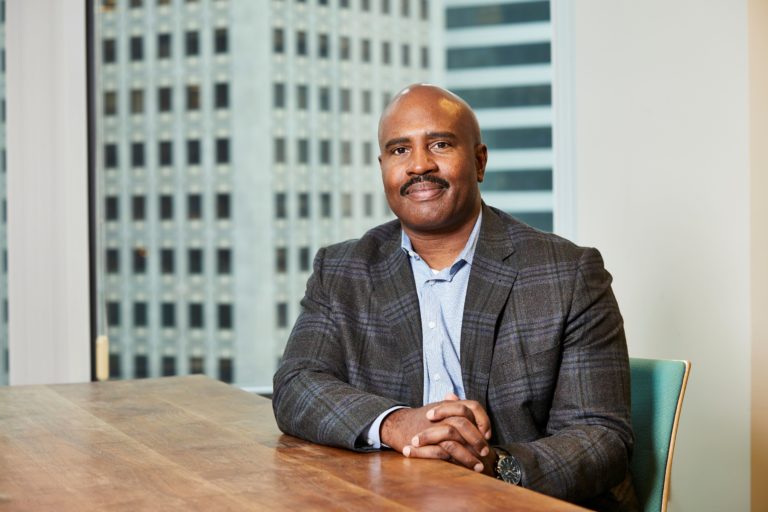
Keith Wattley is the Founder and Executive Director of nonprofit UnCommon Law, the first organization to target California’s parole process as a driver of mass incarceration. For more than 25 years, he has represented people serving life sentences, pairing trauma-informed legal advocacy with mental-health counseling that helps clients understand how their pasts and personal histories shaped their crimes – and do the hard work of accountability the system demands but rarely supports. UnCommon Law has helped hundreds of people come home, with a recidivism rate under 1%. An Obama Foundation Fellow, Ashoka Fellow, and James Irvine Foundation Leadership Award recipient, Keith teaches parole law at UC Berkeley and earned his JD at Santa Clara University.
Denali Wilson

Denali Wilson is a lawyer and policy advocate based in her hometown of Las Cruces, New Mexico. Denali was a part of the team that led the grassroots campaign to end life in prison as a sentencing option for children in New Mexico. She helped co-found (De)Serving Life, which provides support to people in New Mexico serving life in prison sentences, and now serves as the Mitigation Coordinator and oversees the policy work of the organization.
Gina Papera-Ewing

Gina Papera-Ewing is the Senior Staff Attorney at the Parole Preparation Project, an organization dedicated to directly supporting people serving parole-eligible life sentences in New York State prisons. Prior to joining the Parole Preparation Project, Gina was a public defender at The Bronx Defenders, where she represented hundreds of people accused of misdemeanors and felonies. She then transitioned to the Impact Litigation Practice at The Bronx Defenders, handling civil rights cases challenging widespread systemic injustices facing Bronx community members. She received her J.D. from UCLA School of Law, earning specializations in Critical Race Studies and the David J. Epstein Program in Public Interest Law and Policy. While at UCLA, Gina served as the Diversity and Outreach Editor for the UCLA Law Review.
Allison Elder

Allison Elder co-founded and directs Time Served, a Greenville-based legal aid serving system-impacted South Carolinians statewide. Allison has dedicated her entire legal career, both during law school and since, to reentry, release, and civil rights for incarcerated people, only pausing to clerk for the Honorable Henry F. Floyd on the United States Court of Appeals for the Fourth Circuit. Allison earned her J.D. (magna cum laude, Order of the Coif) and an LL.M. in International Human Rights Law from Northwestern University Pritzker School of Law. She has previously served as both a Fulbright Scholar and an Equal Justice Works Fellow.
Participatory Defense: Communities Challenging Courts and Convictions (RB150)
Incarceration strains the bonds that tie families and communities together. Participatory defense is a community organizing model that strengthens them by empowering family and community members to participate in the defense of their loved ones. Systems-impacted organizers will share their experiences with mass defense campaigns, from how they started fighting for justice to how they’ve built the movements creating new leaders today.
Speakers
Imani Mfalme

Imani Mfalme is the lead organizer of the Community Defense of East Tennessee Participatory Defense hub, and is a National Participatory Defense Network Trainer/ Organizer on staff at De-Bug. At the Community Defense of East Tennessee, she works to support those facing criminal charges and provide tools to fight charges and incarceration. She is also an artist and a writer, a community organizer and builder.
Rodney Derrickson
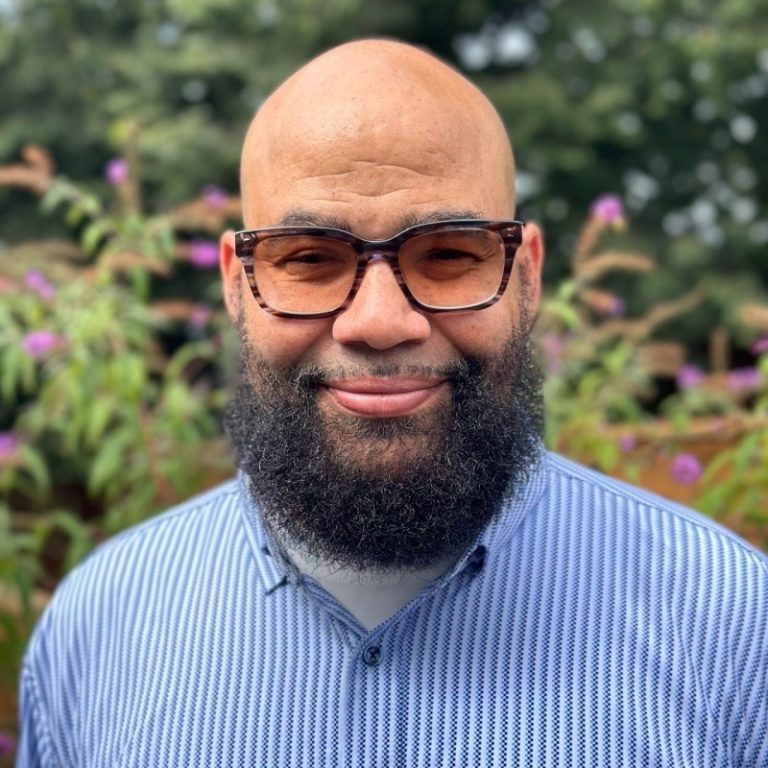
Rodney Derrickson is a wrongfully convicted individual who was recently paroled in December of 2024. Drawing from his wrongful conviction and lived experience, Rodney advances criminal justice reform and leads advocacy efforts including the Prisoners’ Lives Matter Pennsylvania Campaign. He is the Founder/CEO of Justice Now Consultings, LLC. Rodney is also a paralegal, certified peer specialist, advocate, former jailhouse lawyer, and emotional intelligence workshop facilitator. Rodney has spoken about his experiences at universities such as Georgetown, Princeton, Harvard, and recently the SALA Series, promoting criminal justice reform, equity, and accountability.
Monica Cosby
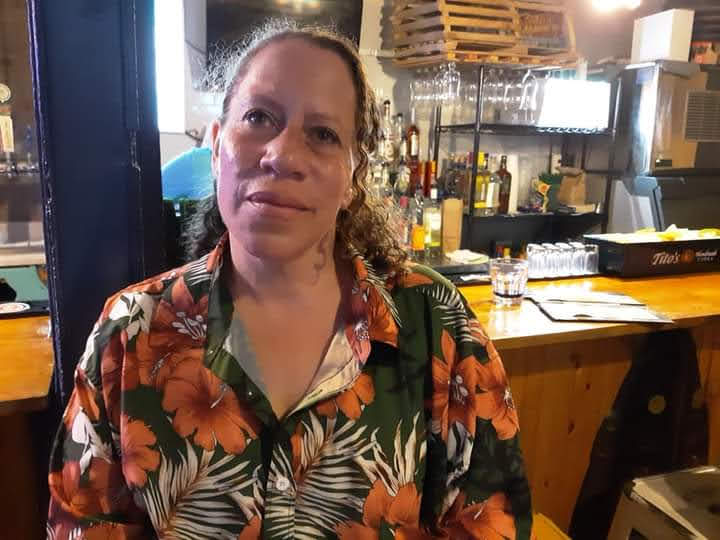
Monica Cosby describes herself as a “a gramma trying to do liberatory stuff.” An activist, organizer, restorative justice practitioner & circle keeper, poet, person of the theatre, and a lover of books, music, cats, dogs, and the earth. Her life and work have been shaped and informed by the communities she has belonged to, including the community of artists, scholars, and mothers with whom she was incarcerated for twenty years, and whose survival was and is an act of resistance against a system that would dispose of them.
Mark Clements
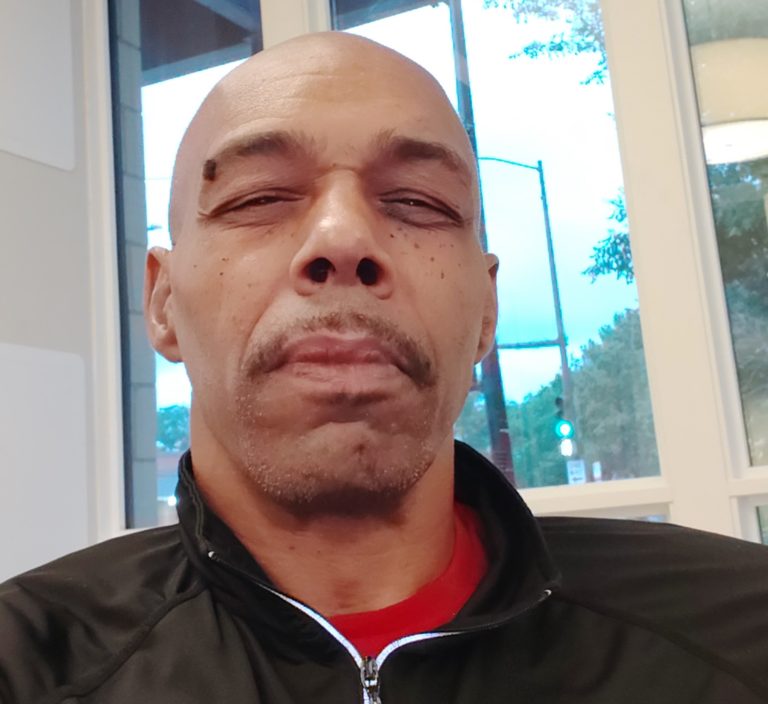
Mark Clements is a prominent civil rights advocate, Senior Organizer at the Chicago Torture Justice Center, and a survivor of Chicago police torture. In 1981, he was tortured by Chicago police to confess to a crime he did not commit. Wrongfully sentenced to the Illinois Department of Corrections as a juvenile lifer, Mark spent 28 years inside the prison system before finally securing his freedom. Today, he transforms his lived experience into a powerful force to challenge systemic injustice and champion the rights of the marginalized, the wrongfully convicted, and the incarcerated.
This Ain’t Our First Rodeo: How to Survive and Thrive in a Tough Political Climate (RB 180)
Advocates from the Parole Advocacy Coalition of Texas will share how their coalition came to be and the creativity involved in overcoming challenges to pass legislation in Texas. Hear how organizers unite justice-impacted people and their family members, attorneys, and community organizations to build momentum for parole transformation and inspire hope to sustain the fight.
Speakers
Jennifer Toon
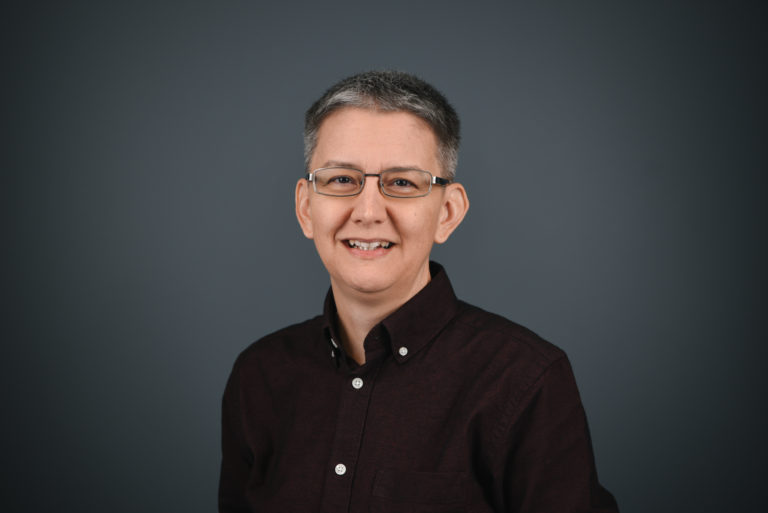
Jennifer Toon is a co-founder and the Executive Director of Lioness Justice Impacted Women’s Alliance. Her involvement with the criminal legal system began at age 15 when she was adjudicated under Texas determinate sentencing laws, leading to 27 years of system involvement.
Jennifer previously worked as a Policy Analyst with the Coalition of Texans with Disabilities, focusing on the intersection of disability and incarceration. She later served as Community Advocacy Manager at the After Violence Project where she supported narrative change and organizing efforts centered on survivors of state violence.
Marci Marie Simmons
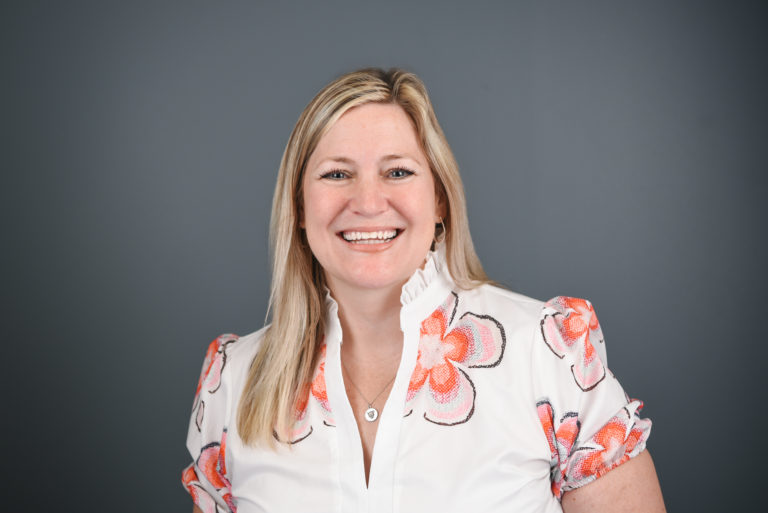
Marci Marie Simmons is the Director of Communications at Lioness Justice Impacted Women’s Alliance, a Texas based organization led by currently and formerly incarcerated women and gender expansive people working to end the incarceration and systemic devaluation of their communities.
After spending a decade incarcerated, Marci now uses storytelling, media, and advocacy to elevate the voices of justice-impacted women. Her work focuses on narrative change, public education, and amplifying lived experience in conversations about incarceration, reentry, and family separation.
Christina Vodochodsky

Christina Vodochodsky, PhD, MPH, MS, MLIS, is Vice President of Finance for Texas Prisons Alliance, where she works on parole advocacy, family engagement, and criminal legal reform initiatives. She combines a professional background in public health, data analytics, and artificial intelligence with personal experience as the spouse of a currently incarcerated individual in Texas. Christina is passionate about advancing evidence-based parole practices, supporting impacted families, and promoting parole systems that recognize rehabilitation, accountability, and human potential.
Helen Gaebler
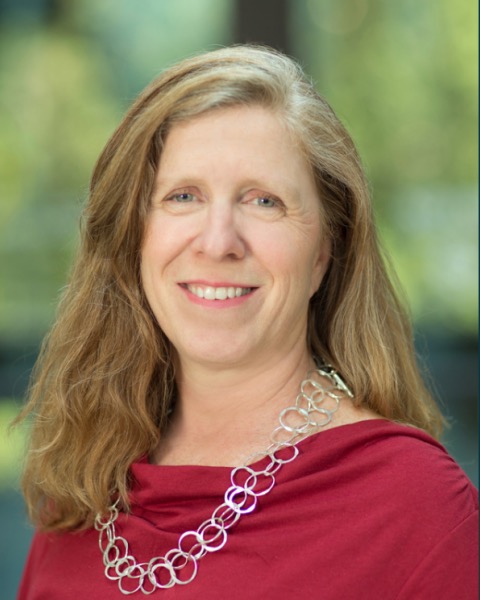
Helen Gaebler is a Senior Research Attorney and Lecturer at the William Wayne Justice Center for Public Interest Law at the University of Texas School of Law. Her work focuses on criminal legal system reform, with a particular emphasis on parole, reentry, and reducing barriers faced by people with criminal records. She teaches courses on reentry and public policy and directs the law school’s Pro Bono Parole Project, which connects law students with incarcerated women seeking parole representation. Throughout her career, Helen has worked across academia, government, and community-based initiatives to advance fair housing, employment opportunities, and successful reintegration for justice-impacted individuals. She is a recognized leader in Texas reentry efforts and has helped foster collaboration among directly impacted people, service providers, advocates, and policymakers to strengthen pathways home.
Justin Martinez
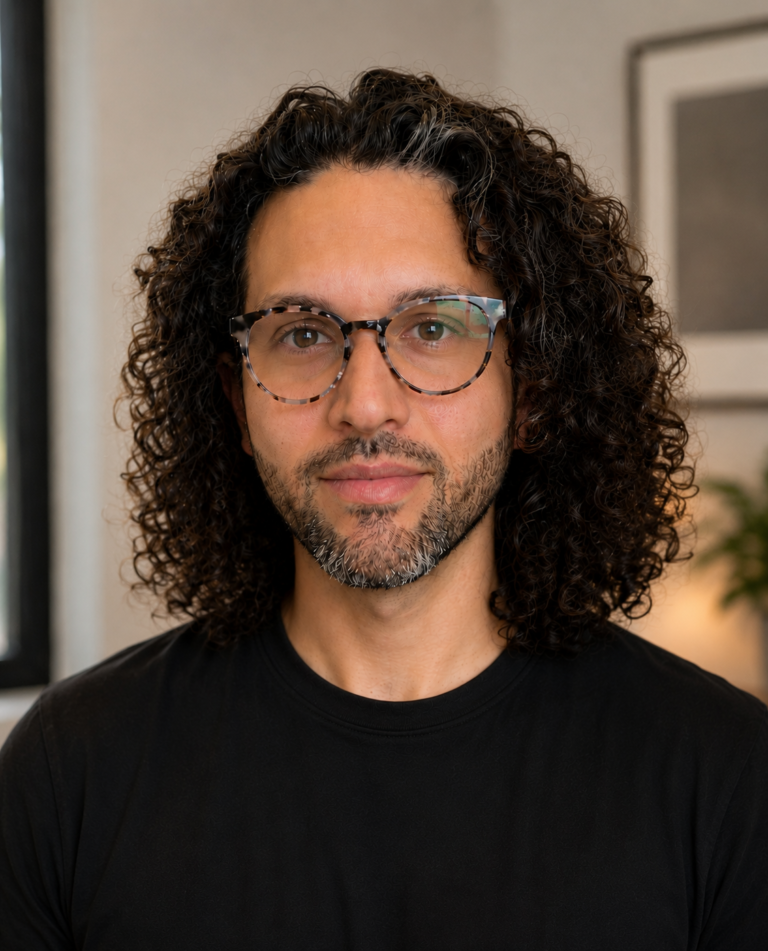
Justin Martinez (he/him) believes that no one should be defined solely by their worst choices and that no individual is disposable. At the Texas Defender Service, which fights to end mass incarceration and excessive punishment in Texas, Justin advances the organization’s policy agenda on parole reform, second chances, the death penalty, and broader efforts to reduce the state’s reliance on incarceration. He does this through legislative advocacy, coalition building, pubic education, and grassroots organizing. As a co-founder of the Parole Advocacy Coalition of Texas (PACT), he co-leads a statewide coalition fighting to end the cycle of incarceration, punishment, and dehumanization inherent within Texas’ parole system.
The Hurdles: Parole Revocation Units and Making New Systems (RB 140)
Parole revocation hearings return thousands of people to prisons each year without or with minimal due process. In this panel, advocates will share how they have successfully changed their states’ parole revocation systems through litigation. They will discuss the obstacles advocates face when trying to hold these systems accountable, as well as the ‘special ingredients’ for litigation that make change possible.
Speakers
Olivia Fritz

Olivia Fritz (she/her) is a Justice Catalyst fellow with the National Parole Transformation Project based out of the Illinois office. Her fellowship project focuses on ensuring appointed counsel for individuals on parole at their parole revocation hearings. Olivia received her J.D. from New York University School of Law, where she was a Root-Tilden-Kern Public Interest Scholar, a student advocate in the Criminal Defense and Reentry Clinic and the Civil Rights and Racial Justice Clinic, and a fellow for the Center on Race, Inequality, and the Law. During law school, Olivia interned with the Illinois Prison Project, Brooklyn Defender Services, and People’s Law Office. She holds a B.A. with Distinction from Stanford University.
Stacey Lannert
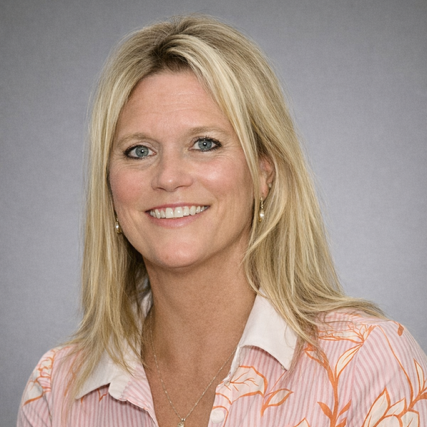
Stacey Lannert serves as the District Defender for the Missouri State Public Defender Parole Revocation Defense Team. This team was created in June of 2021 to assist with parole revocation issues. Previously, Stacey worked as a Staff Attorney with The Bail Project and has served as a Public Defender in St. Louis City, Missouri. In 2020, Stacey received the New Leaders in Advocacy Award from NLADA for her dedication in advancing the cause of equal justice on behalf of low-income clients. Stacey is a graduate of the University of Missouri School of Law and holds a B.A. from Southeast Missouri State University. Stacey’s voice for advocacy is amplified by her background and personal experience with the criminal legal field. Stacey is a double clemency recipient who is able to connect the cause of justice with her own story.
Mara Voukydis
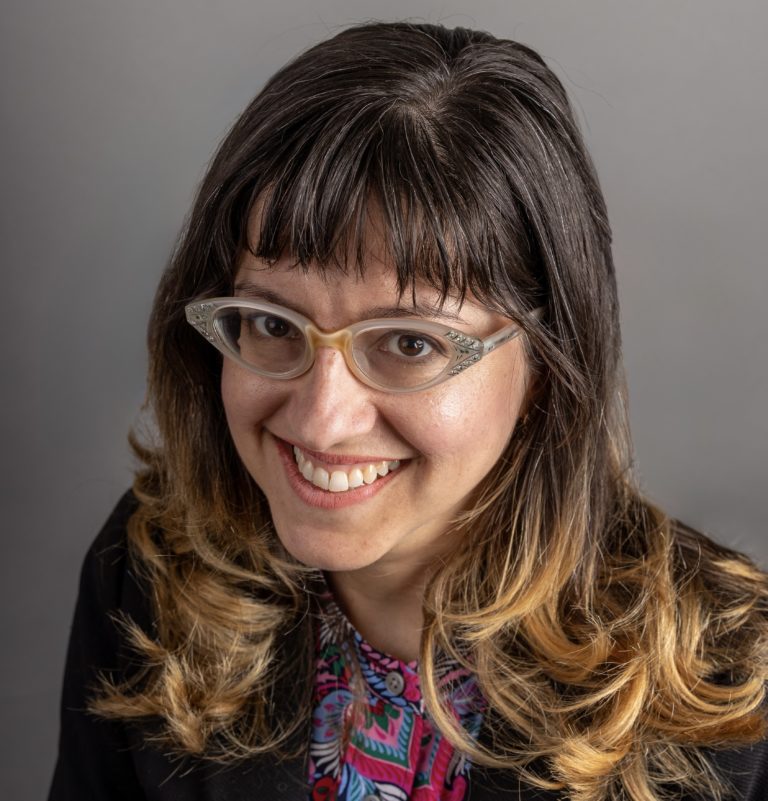
Mara Voukydis is the Director of Parole Advocacy at the Committee for Public Counsel Services, Massachusetts’ public defender agency, where she works to help incarcerated people across the Commonwealth have a meaningful opportunity for successful reentry through access to counsel for parole and medical parole. Assisting hundreds of prisoners, loved ones, and attorneys across different practice areas each year, her unit also trains, assigns, and supports specialized lawyers. The unit currently provides support to about 100 certified parole and medical parole attorneys, almost all of them private, assigned counsel. With an initial focus on juvenile lifers serving sentences for crimes committed as children, her unit later coordinated a response to the needs of emerging adults, whose life without parole sentences were held unconstitutional in 2024. Most recently, she and her team have been building a system to address the long-denied rights of parole-eligible prisoners with disabilities and people facing parole revocation. Prior to her current position, she launched and managed a statewide program providing access to counsel for incarcerated youth facing parole revocation, for which she received the Jay D. Blitzman Youth Advocacy Award. Before becoming a lawyer, Mara worked as a social services advocate for a harm reduction organization. She is a graduate of Northeastern School of Law and Wesleyan University.
Alexa Van Brunt

Alexa Van Brunt is the Director of the Illinois office at the MacArthur Justice Center (MJC). She also directs and teaches the Civil Rights Litigation Clinic at Northwestern Pritzker School of Law. Alongside her colleagues at MJC, Alexa litigates complex civil cases challenging mass imprisonment and promotion criminal legal system reform. She has served as lead counsel on class action suits challenging discrimination and excessive force by law enforcement, the violation of prisoners’ rights in correctional facilities, denial of access to counsel for people in custody, wrongful conviction damages actions, and the overuse of pretrial detention in the criminal courts. She also supervises teams of law students who serve as junior counsel on MJC’s cases.
The View from Behind the Desk: Insights from Former Parole Board Members (RB150)
Can you change the system from within? Hear 3 former parole board members discuss the barriers they faced–and opportunities they found–when they joined parole boards in New York, Illinois, and New Mexico to try to build momentum for reform.
Speakers
Sheila Lewis
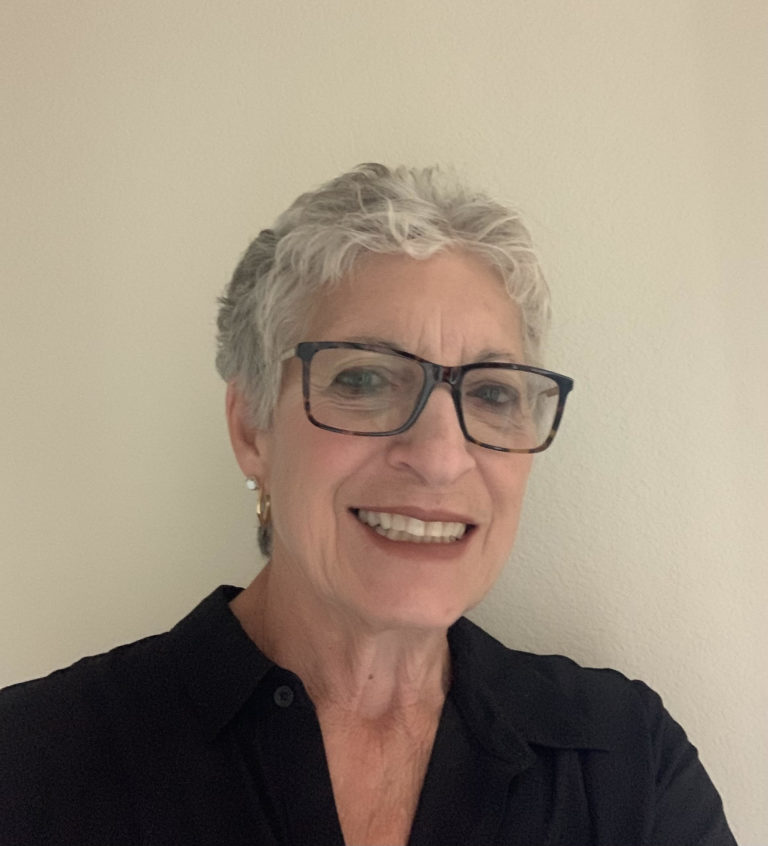
Sheila Lewis was appointed by Governor Lujan Grisham as the Chair of the New Mexico Parole Board in 2019. Her term was abruptly terminated after only seven months when the board released several Lifers who had been repeatedly denied parole. Sheila now serves on the board of (De)Serving Life, a local non-profit that provides comprehensive support for people navigating New Mexico’s discretionary parole process.
Sheila, a graduate of Brooklyn Law School, is the former Deputy Director and the Director of Training for the Law Office of the Public Defender of New Mexico. She served as the Director of the New Mexico Women’s Justice Project, Santa Fe Safe, and the New Mexico office of Drug Policy Alliance. She currently works for the New Mexico Legislature’s House Judiciary Committee as a bill analyst and with New Mexicans to Prevent Gun Violence as a community educator.
Carol Shapiro
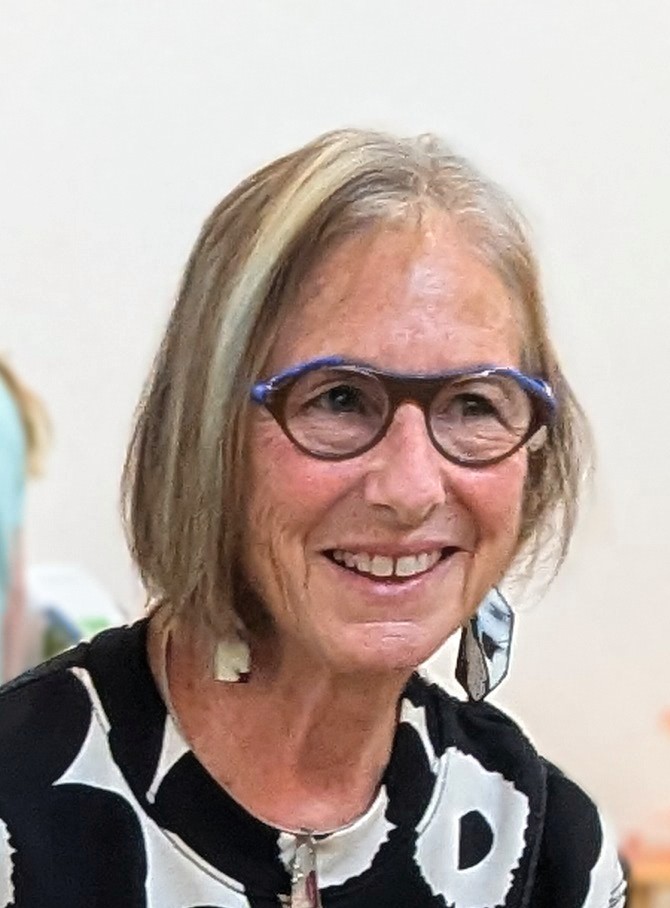
Carol Shapiro is an innovator in the field of criminal and social justice for over 40 years. Most recently, Carol served on the New York Board of Parole as a Commissioner. Prior, she was the Founder and President of La Bodega de la Familia and Family Justice, know for the integration of asset and family tools, coupled with a public health perspective to reduce reliance on incarceration and improve family well-being outcomes. By tapping the strengths of families and their social networks, Family Justice demonstrated the means to break cycles of victimization and justice system involvement. In partnerships with law enforcement and other mandated systems such as child welfare and public housing. Carol has devised and collaborated on numerous foundation and governmental initiatives to more effectively address crime prevention, addiction, mental illness, and aging. Prior to joining the NYS Parole Board, Carol served as an advisor to governmental and citizen sector efforts and provided technical assistance and consultation services to federal, state and local governments, and nonprofits in the US and abroad. Among her many awards and honors for social entrepreneurship, Carol is an Ashoka Fellow; her startup, La Bodega de la Familia, under the auspices of the Vera Institute of Justice, received an Innovation in American Government award.
Max Cerda
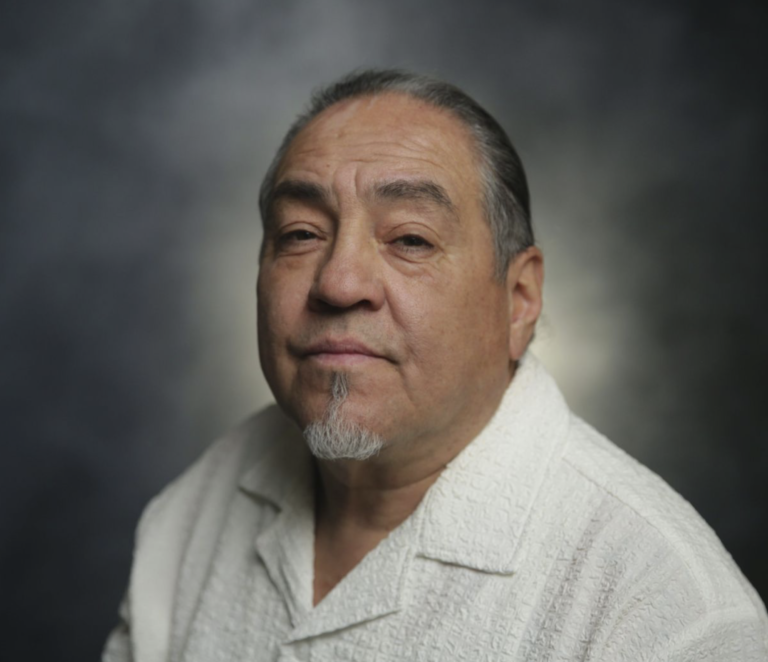
Max Cerda is a community leader, mentor, and advocate whose life journey reflects resilience, transformation, and service. After spending 19 years incarcerated, Max turned his experiences into a lifelong commitment to mentoring youth, supporting returning citizens, preventing violence, and strengthening Latino communities. He has served with CeaseFire, ASPIRA of Illinois, and BUILD, Inc., and in 2021 was appointed to the Illinois Prisoner Review Board. Max continues to lead reentry and community empowerment efforts through organizations including Latino Reentry Reintegration Services and the Latino Empowerment Coalition–Frente Unidos.
Ben Austen
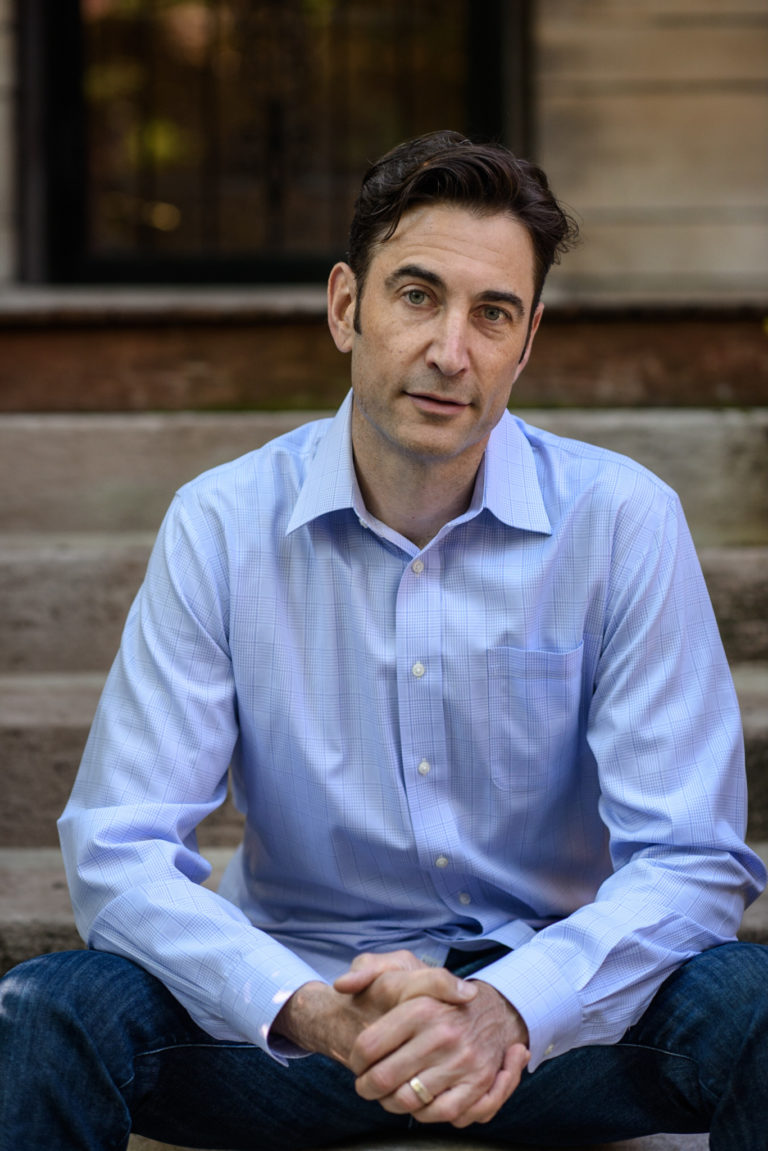
Ben Austen is a journalist from Chicago. He is the author of Correction: Parole, Prison, and the Possibility of Change. He is also the author of High-Risers: Cabrini-Green and the Fate of American Public Housing, which was longlisted for the Andrew Carnegie Medal of Excellence in Nonfiction and named one of the best books of 2018 by Booklist, Mother Jones, and the public libraries of Chicago and St. Louis. A former editor at Harper’s Magazine, Ben is the co-host of the podcast Some of My Best Friends Are. His feature writing has appeared in the New York Times Magazine, GQ, Wired, and many other publications.
Resourceful Resources: Creating Distributable Guides to Parole and Reentry (RB180)
Speakers
Ronnie Carrasquillo
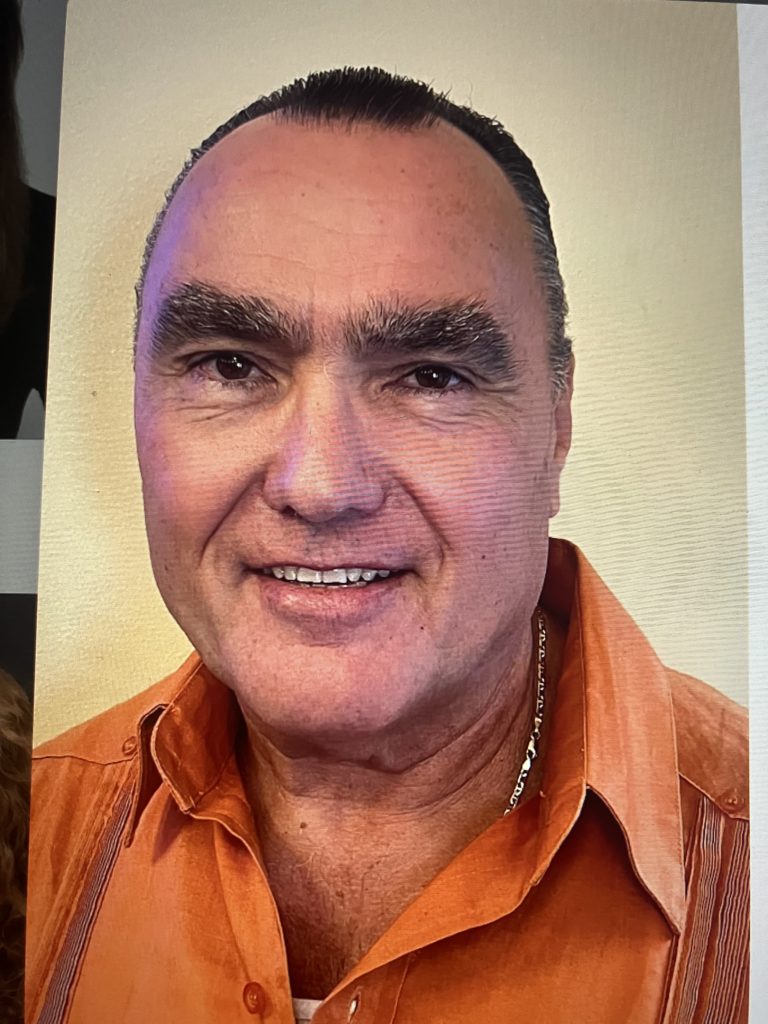
Ronnie Carrasquillo (he/him) is an educator, advocate, and minister who draws on his own story of transformation to inspire others and drive systemic change. Incarcerated for 47 years, he became a leader in organizing against carceral restrictions, spearheading and overseeing numerous programs inside correctional facilities across Illinois. Since his release in 2023, Ronnie has carried this legacy forward as Spiritual Director of the Illinois Latino Reintegration Community Collaborative and as Director of Operations for Unshackled Building Bridges. Ronnie’s journey has been closely connected with the Illinois Prison Project (IPP). His story was featured in the 2024 documentary In Their Hands, alongside IPP executive director Jennifer Soble.
Helen Gaebler
Helen Gaebler is a Senior Research Attorney and Lecturer at the William Wayne Justice Center for Public Interest Law at the University of Texas School of Law. Her work focuses on criminal legal system reform, with a particular emphasis on parole, reentry, and reducing barriers faced by people with criminal records. She teaches courses on reentry and public policy and directs the law school’s Pro Bono Parole Project, which connects law students with incarcerated women seeking parole representation. Throughout her career, Helen has worked across academia, government, and community-based initiatives to advance fair housing, employment opportunities, and successful reintegration for justice-impacted individuals. She is a recognized leader in Texas reentry efforts and has helped foster collaboration among directly impacted people, service providers, advocates, and policymakers to strengthen pathways home.
Sara Whitaker
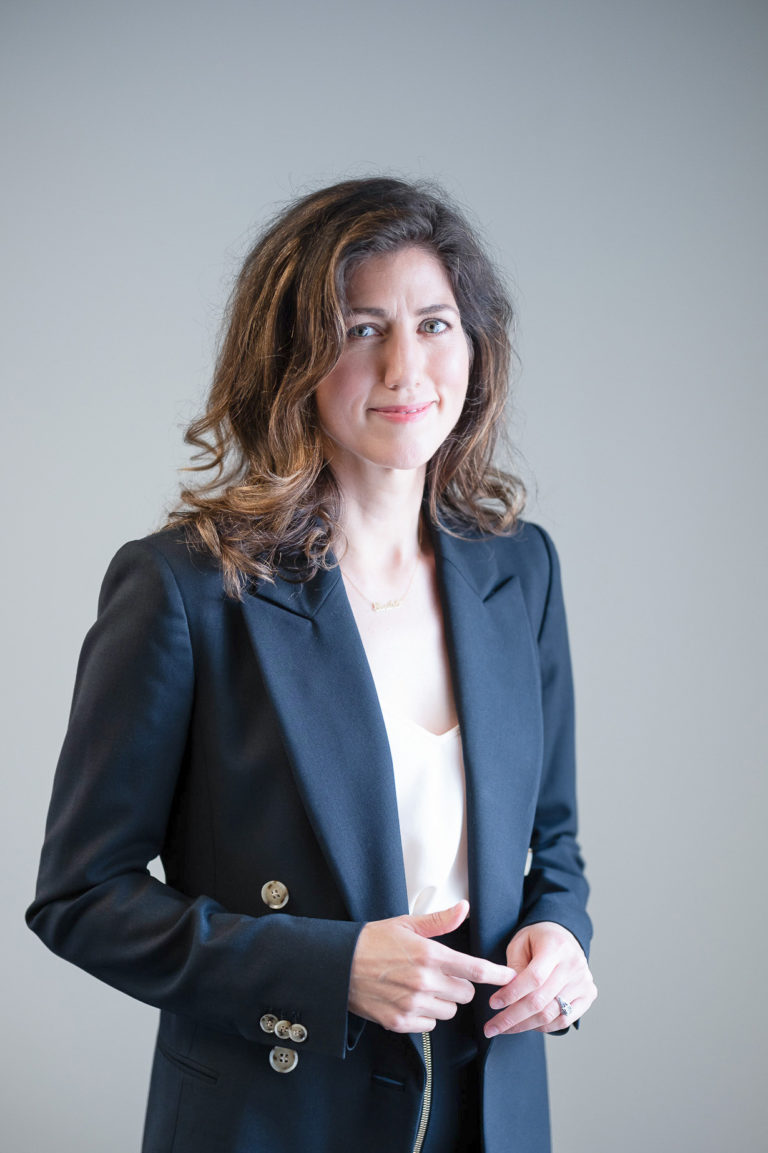
Sara Whitaker is the senior criminal legal policy analyst at the West Virginia Center on Budget and Policy. Before joining WVCBP, she spent a decade in the Kanawha County Public Defender’s Office, where she had the privilege to represent and learn from hundreds of West Virginians accused in state criminal prosecutions. At WVCBP, she works closely with directly impacted people to produce research on the harms of the criminal legal system and policy recommendations for shrinking the system. A native of Los Angeles, Sara has a bachelor’s and law degree from Northwestern University. She lives with her family in the capital city of Charleston, where she recently became a certified yoga instructor.
La Tanya Jenifor-Sublett
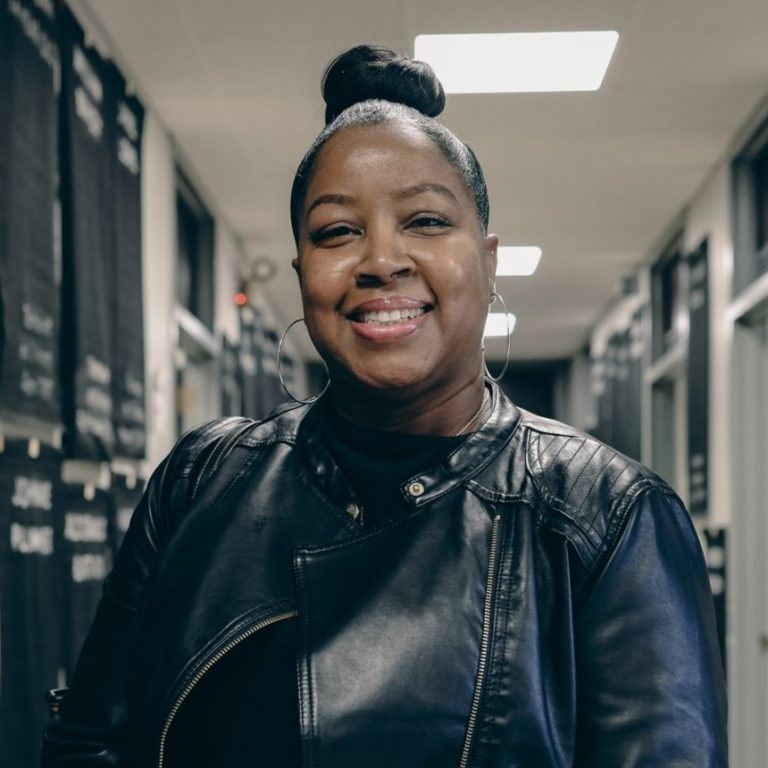
La Tanya Jenifor-Sublett, affectionately known as “Tan.” Is a speaker, dedicated activist, organizer, and advocate for social justice. Focused on creating change through trauma-informed healing, community building, and leadership roles for justice-impacted individuals. Deeply committed to supporting women who have experienced incarceration and state-sanctioned violence. Director of Programs and Supportive Services for Chicago Torture Justice Center; she experienced abuse and torture at the hands of Chicago Police at the age of 19. Sentenced to 42 years in the Illinois Department of Corrections under the Theory of Accountability for a crime she did not commit.
Disability Justice: Making Parole Rights Accessible (RB 140)
People with disabilities face unique barriers in navigating the parole process and life under post-release supervision. In this panel, experts will take an intersectional approach to discuss how different states treat people with disabilities differently and how advocates must employ a variety of strategies–from awareness-raising campaigns to litigation–to expand the parole rights of people with disabilities.
Speakers
Jen Baker
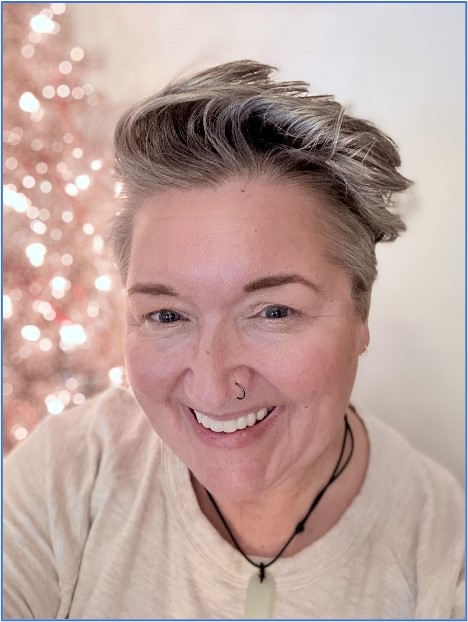
Jen Baker is an Investigator-Advocate with Disability Rights Michigan (DRM), part of the federally mandated Protection & Advocacy System. Based in the Community and Institutional Rights division, she is the dedicated investigator-advocate for disability-related issues within the Michigan Department of Corrections (MDOC).
Jen investigates reports of abuse, neglect, wrongful death, as well as issues related to appropriate treatment, access, accommodations, and conditions for individuals with mental or physical disabilities in MDOC custody.
Her knowledge of prison reform and disability advocacy is informed by six years of prior experience as a Corrections Officer in MDOC.
Christine Smith
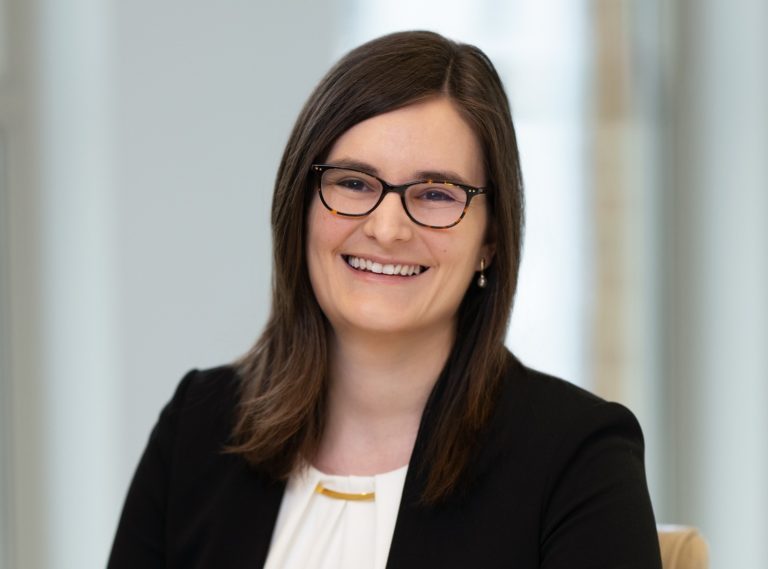
Christine Smith is an associate in the Washington, D.C. office of Latham & Watkins and a member of the firm’s Supreme Court & Appellate Practice. Christine represents clients in a wide variety of substantive legal areas, including administrative law, antitrust law, civil rights, class actions, constitutional law, contract law, and securities law. Christine also advises corporate, non-profit, and university clients on compliance with anti-discrimination laws.
Christine maintains an active pro bono practice. Christine recently partnered with the MacArthur Justice Center and ACLU of Arkansas to argue and win a preliminary injunction on behalf of a class of individuals on parole in Arkansas, securing due process protections during parole-revocation hearings. Christine also argued and won a preliminary injunction on behalf of individuals with disabilities on parole and supervised release in D.C., securing reasonable accommodations during the supervision process. Christine was part of the Latham team that received the Financial Times’ Innovation in Racial Justice award for litigation on behalf of historically undercounted populations in the U.S. census.
Christine received her J.D. from Yale Law School. After law school, Christine clerked for Justice Elena Kagan of the U.S. Supreme Court and Judge Thomas Griffith of the U.S. Court of Appeals for the D.C. Circuit.
Alexis Karteron
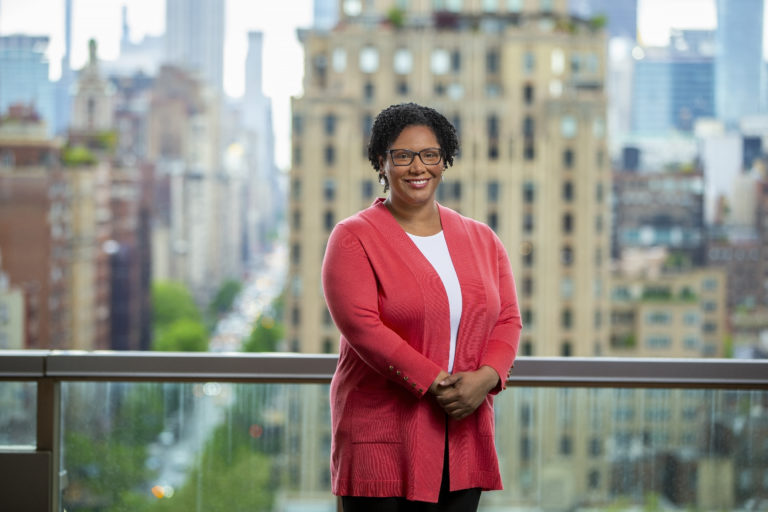
Alexis Karteron is a Professor of Law at NYU School of Law and directs the Civil Rights in the Criminal Legal System Clinic, which handles cases and matters concerning the rights of incarcerated people and others under criminal justice supervision. Her scholarship examines how constitutional and civil rights law shape various practices in the criminal legal system, such as school policing, stop-and-frisk, and probation and parole supervision. Karteron previously worked as an attorney at the NAACP Legal Defense & Educational Fund and the New York Civil Liberties Union. She is a graduate of Harvard University and Stanford Law School.
Yosef Moore
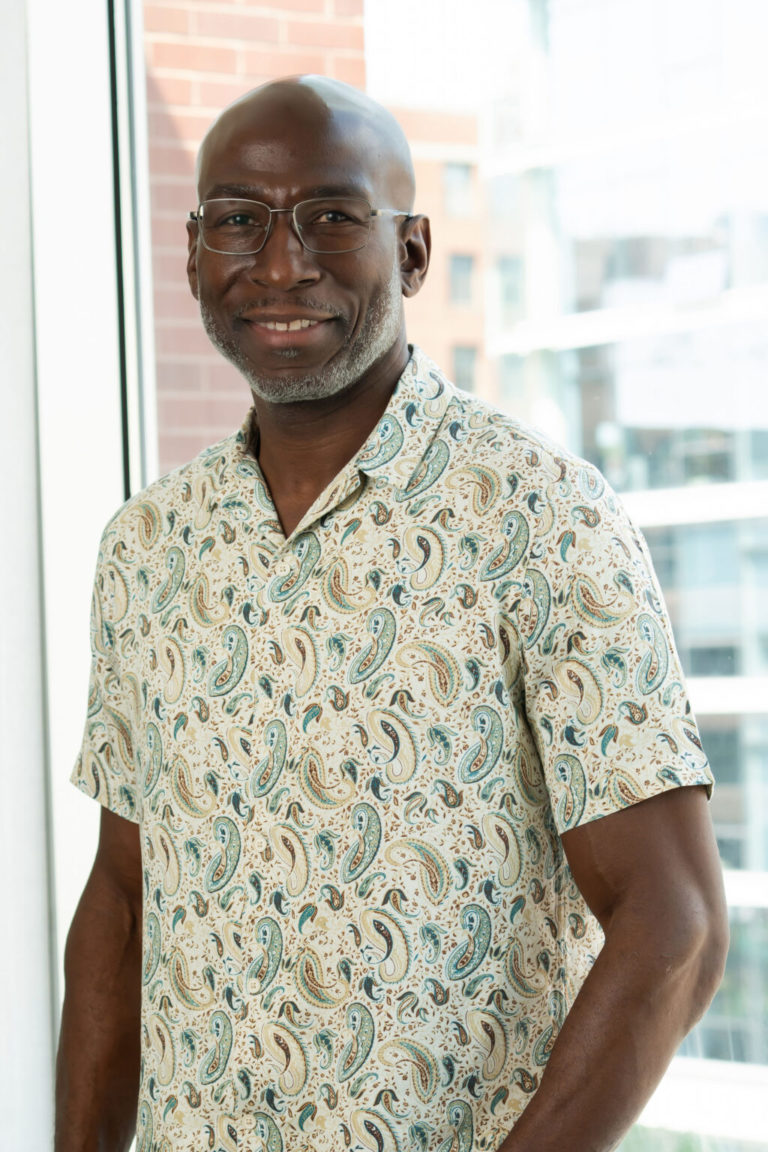
In June 2024, Yosef Moore joined Access Living as the Diversion and Reentry Policy Analyst. In his role, Yosef works to identify and advocate for best practices that divert people with disabilities away from institutions and other carceral settings. Similarly, Yosef focuses on supporting people with disabilities with successful reentry practices such as enhancing and expanding systems of care.
Before joining Access Living, Yosef was an apprentice in Restore Justice Foundation’s Future Leaders Apprentice Program (FLAP). As an apprentice, Yosef advocated for Illinois to limit the use of solitary confinement by adopting the Nelson Mandela Rule, which would prohibit placing someone in solitary confinement for over 15 consecutive days. In conjunction with being a Future Leaders Apprentice, Yosef was also an Illinois Prison Project (IPP) Ambassador. IPP’s values mirror his own. Yosef also believes that no one is their worst act, that everybody is redeemable, and that everyone’s voice matters. Yosef uses his voice and lived experience to engage the legislative process to alleviate the specific harms that people with disabilities experience before, during, and after their encounter with the criminal legal system.
Yosef takes pride in mentoring underserved youth and in helping them realize their potential. He also enjoys live poetry and reading.
From the Ground Up: Building Popular Support to Transform Parole (RB 150)
Organizers from New York, Arkansas, and Illinois meet to discuss the big questions: What is the true purpose of parole? What does it mean to take accountability? How can parole become more responsive to an individual’s needs and circumstances? They will ground their answers in their work changing parole systems through legislation, and will consider both the theoretical and practical aspects of each question.
Speakers
Bryson Austin
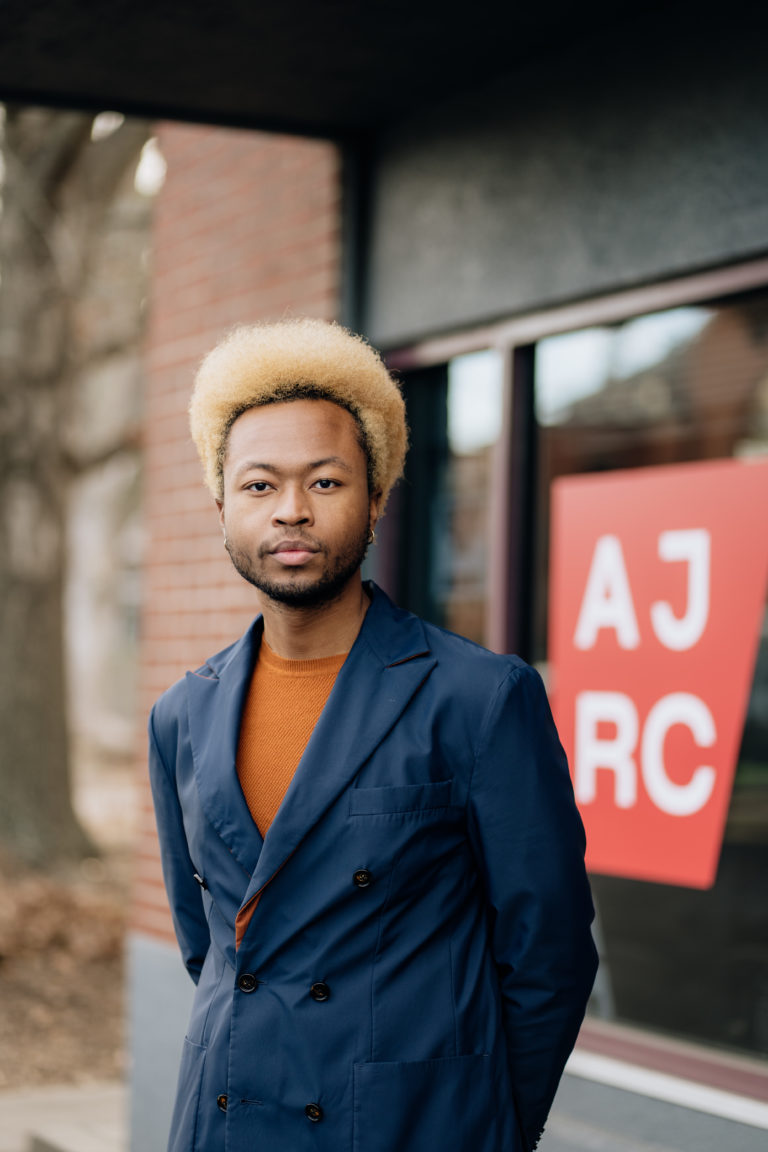
Bryson Austin has served as the Program Director for the Arkansas Justice Reform Coalition and the first elected Treasurer for Arkansas Renters United – the first renters union in the state of Arkansas – for the past year. Born and raised in Little Rock, Arkansas, he holds an honors Bachelor of Science in Economics with a minor in German from the Sam M. Walton College of Business at the University of Arkansas. During undergrad, he served as the University of Arkansas Associated Student Government Director of Diversity and Inclusion, a senator for Walton (his college), the Logistics Chair for the University of Arkansas’ Distinguished Lectures Committee, a representative for Gregson dormitory, an honors peer mentor, and the Vice President of Finance for his fraternity. Mr. Austin’s advocacy as a community organizer and AJRC’s Program Director centers around prison abolition, housing the unhoused, and liberation for all oppressed communities.
James Swansey
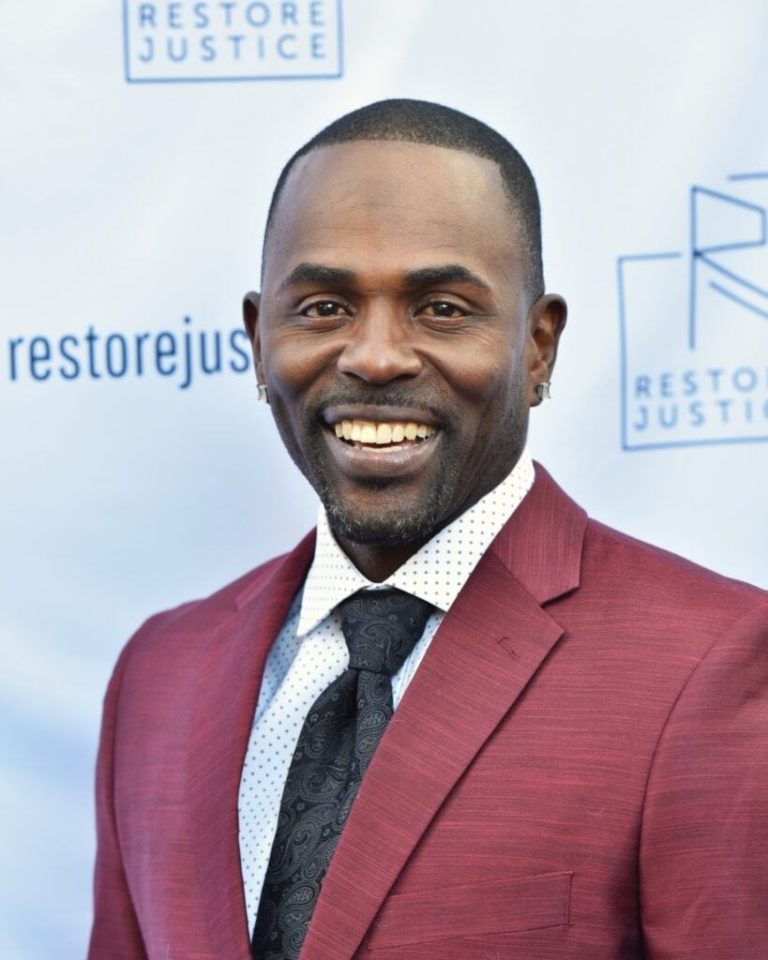
James Swansey is the Policy Director at Restore Justice. He joined the Restore Justice team in February 2021 as a Future Leaders Apprentice. James returned home in December 2020 after serving 28 years in the Illinois Department of Corrections. Incarcerated in 1993 at the age of 18, James originally received a sentence of natural life without the possibility of parole plus an additional 30 years. He received a new sentence through court cases about youth sentencing.
James Swansey is the Policy Director at Restore Justice. He joined the Restore Justice team in February 2021 as a Future Leaders Apprentice. James returned home in December 2020 after serving 28 years in the Illinois Department of Corrections. Incarcerated in 1993 at the age of 18, James originally received a sentence of natural life without the possibility of parole plus an additional 30 years. He received a new sentence through court cases about youth sentencing.
Johnnie “Khalif” Veal
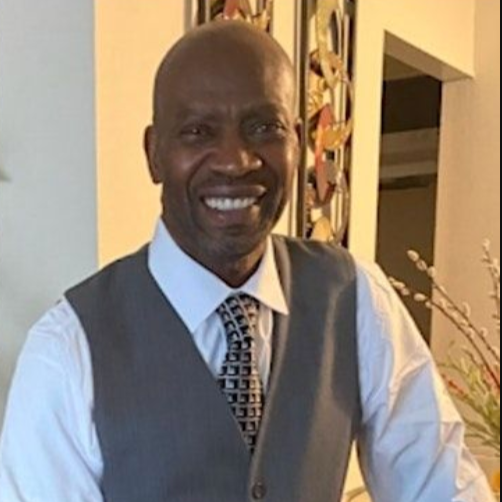
Johnnie “Khalif” Veal is the Executive Director of Project Sound Off, a nonprofit organization that empowers people and organizations in the fight for fairness and reform of the criminal legal system. Project Sound Off works to educate the public about the legal system and how it affects families, crime victims, and people both inside and outside of prison.
Khalif is the main figure in Ben Austen’s book Correction: Parole, Prison, and the Possibility of Change. Khalif was released on parole in February 2021, after being falsely imprisoned for 51 years. He is also a motivational speaker and a certified paralegal. Khalif holds various degrees from Lewis University and MacMurray College.
Jose Hamza Saldana
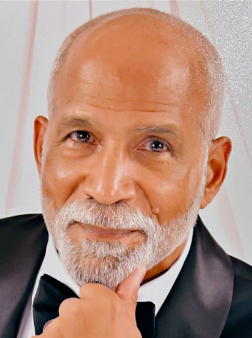
Jose Hamza Saldana is the executive director of Release Aging People In Prison (RAPP), a grassroots community organizing and advocacy organization founded and led by formerly incarcerated people that seeks to end mass incarceration through the release of aging people in prison and promote racial justice as a means of uprooting the racist criminal legal system and other systems of oppression. He was released from prison in 2018 after 38 years of incarceration.
During the decades of incarceration, he obtained a college degree. He also co-founded several therapeutic programs, such as “A Challenge to Change (C2C): A Comprehensive Approach to Addressing Criminal Thinking, Behavior, and Attitudes,” which helped him and many others learn how to take full responsibility for the harm inflicted on human beings and to develop insight into the lasting impact of this harm on families and communities. In search of a humane and effective way to address interpersonal harm without carceral punishment, he co-founded “The Restorative Community Project: A Therapeutic Alternative to Incarceration.”
Investigating Parole Systems (RB 180)
The first step to changing a low-visibility parole system is shining a light on it. Hear from advocates observing and documenting parole systems across the country through journalism, litigation, and academia. Learn effective strategies for data and narrative collection, how to find good sources, and how investigations can lead to real change.
Speakers
Emmett Sanders
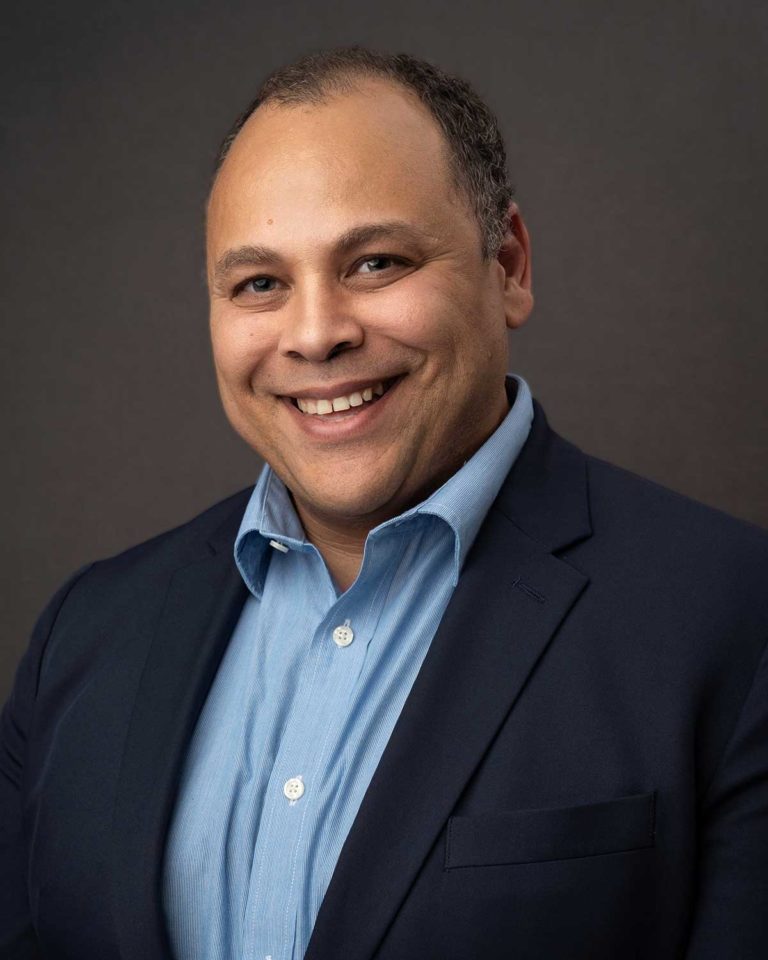
Emmett Sanders is the Policy and Advocacy Analyst at the Prison Policy Initiative. He is a critically impacted researcher, writer, and advocate who holds a B.A. in English and a Master of Public Affairs from the University of Texas Rio Grande Valley. Before joining the Prison Policy Initiative, Emmett was the Project Researcher and Organizer on MediaJustice’s Challenging E-Carceration and Unshackling Freedom campaigns, where he became an expert on electronic monitoring. He worked previously as the Justice and Reentry Advocate at Cunningham Township Supervisor’s Office in Urbana, Illinois. He has been engaged in advocacy work with the Illinois Coalition to Challenge Electronic Monitoring and the Urbana Fair Housing Coalition.
Bridget Geraghty
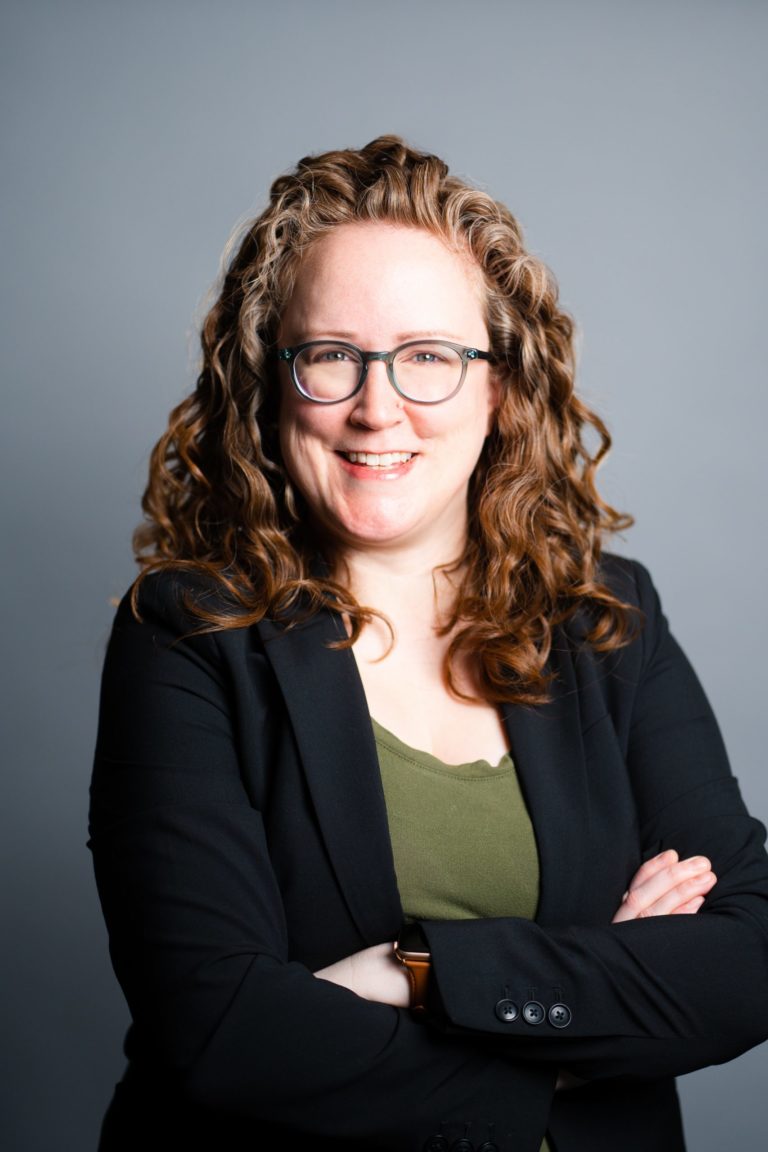
Bridget Geraghty is Senior Counsel leading the launch of the National Parole Transformation Project. She has represented clients throughout all stages of the criminal legal system, from arrest and arraignment, to trial and appeal, to conditions of confinement and parole.
Bridget began her legal career as a trial-level public defender in Richmond, Virginia. She then joined the Office of the State Appellate Defender in Illinois, where she represented clients challenging their criminal convictions on appeal. Before coming to the MacArthur Justice Center in 2022, she was a staff attorney at the Uptown People’s Law Center representing Illinois prisoners in federal civil rights cases and parole proceedings.
Bridget received a bachelor’s degree from the University of Illinois, Urbana-Champaign, and a law degree from the George Washington University Law School. Before law school, she was a high school teacher in Chicago.
Fiona Doherty
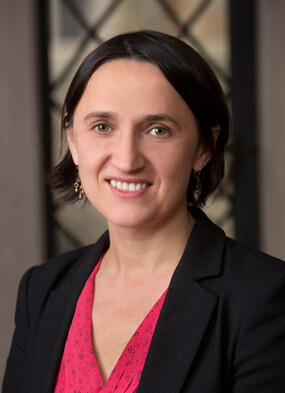
Fiona Doherty is the Nathan Baker Clinical Professor of Law at Yale Law School. She founded Yale Law School‘s Samuel Jacobs Criminal Justice Clinic, which defends indigent clients accused of felony and misdemeanor offenses in New Haven. She also teaches courses in Criminal Law and Sentencing. Professor Doherty is a recipient of the Yale Provost’s Teaching Prize and the Yale Law Women Faculty Excellence Award. From 2005 to 2011, Professor Doherty was an Assistant Federal Defender in the Southern District of New York. Before that, she was Senior Counsel at Human Rights First in New York City, working to ensure that U.S. anti-terrorism measures incorporate human rights protections. Professor Doherty received her J.D. from Yale Law School in 1999 and clerked on the U.S. Court of Appeals for the Sixth Circuit. She then received a Bernstein Fellowship to work in Northern Ireland, where she worked on cases involving the targeting of defense lawyers during the conflict. Her current scholarship focuses on supervised release, probation, and parole.
Beth Shelburne
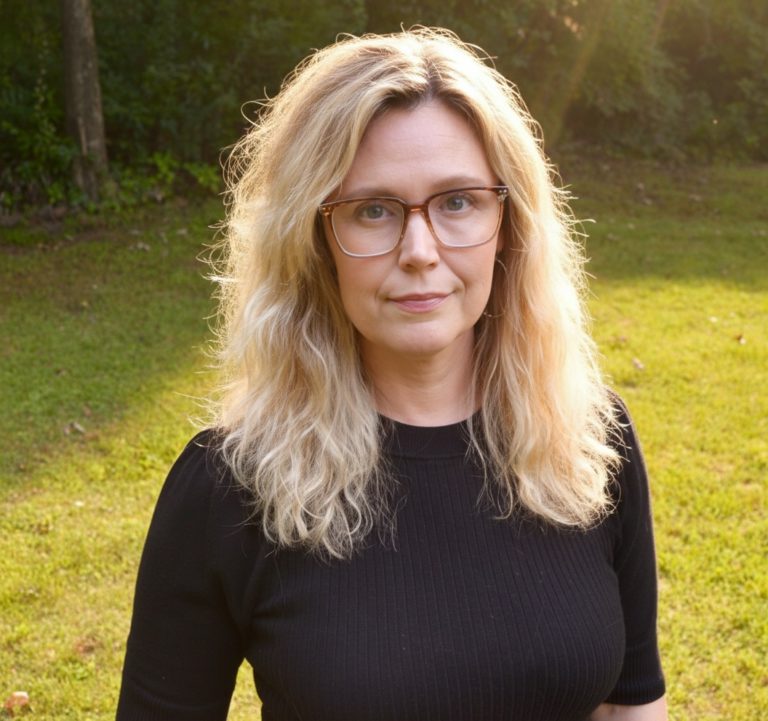
Beth Shelburne is an Alabama-based independent writer and investigative journalist who works at the intersection of justice and injustice in the Deep South. For 14 years, she’s reported extensively on the crisis in Alabama prisons. Recently, she co-produced the 2025 Oscar-nominated documentary film The Alabama Solution. Her written work has appeared in publications throughout Alabama as well as The Los Angeles Times, The Daily Beast, The Bitter Southerner and Facing South, and she regularly publishes reported essays on her Substack called Moth to Flame.
In 2023, Beth released a critically acclaimed podcast series called Earwitness that investigates the wrongful conviction of Toforest Johnson, an innocent man on Alabama’s death row. Previously, she spent 20 years working as a TV news anchor and reporter. She holds a Master’s Degree in creative writing from the University of Alabama at Birmingham and a BA in Mass Communication and Journalism from Auburn University. Beth lives with her family in Birmingham.
Keynote Speaker
Xavier McElrath-Bey
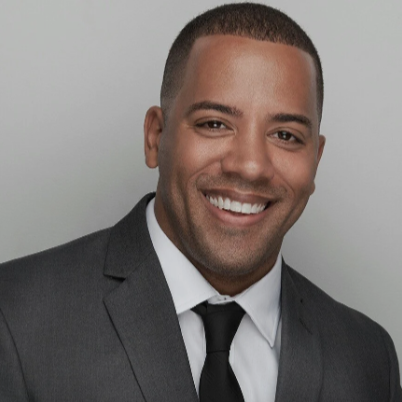
Xavier McElrath-Bey serves as Executive Director of the Campaign for the Fair Sentencing of Youth (CFSY) and is a co-founder of the Incarcerated Children’s Advocacy Network (ICAN). During his many years at the CFSY, Xavier has fought to abolish life without parole for children in America and has played a role in ending this practice in several states, including Nevada, Utah, Arkansas, South Dakota, and North Dakota. At age 13, after accumulating 19 arrests and seven convictions, Xavier was arrested, charged with a gang-related murder, and sentenced to 25 years in prison.
While growing up in prison, Xavier became increasingly remorseful for his past actions and decided to change for the better. Hopeful of someday living a “normal life,” Xavier prepared himself by earning an Associate’s degree in Arts and an Associate’s in General Education from Carl Sandburg College, a Bachelor’s degree in Social Science from Roosevelt University, and a certificate in Computer Technology. Xavier was also inducted into the Franklin Honor Society for outstanding scholarship. He began to envision a better life where he would be able to put his remorse into action — what he has referred to as his “eternal apology” to the victim in his case, Pedro Martinez, and his family.
In 2002, Xavier was released at age 26 after serving 13 years. While volunteering as a YMCA youth boxing coach, Xavier landed his first job as a Starbucks barista and decided to pursue a Master’s degree from Roosevelt University’s Counseling and Human Services Program. He graduated with honors in 2006, and since then, he has worked in various fields including violence prevention, youth counseling, clinical research, youth advocacy, and sentencing reform. Before his current employment at the CFSY, Xavier worked for Northwestern University’s Health Disparities & Public Policy program, where he conducted over 800 clinical research interviews with formerly incarcerated youth. In 2016, he met Pedro’s family in a restorative justice healing circle. That day, they forgave him and forged a relationship that continues to this day.
In addition to leading the CFSY, Xavier currently serves as a Safety and Justice Challenge (SJC) Advisory Council Member at the MacArthur Foundation, an Advisory Council Member at Eighth Amendment Project, an Ambassador Alumni with Represent Justice, and an Advisory Council Member at Fair Chance Institute (FCI). He’s also served as a board member at the Community Justice for Youth Institute (CJYI) and as a member of the Chicago Police Accountability Task Force (PATF) working group on community & police relations.
Outlets including the New York Times, People Magazine, Chicago Tribune, Teen Vogue, PBS NewsHour, The Guardian, The Marshall Project, and others have shared Xavier’s story and advocacy efforts, and in recent years, he received the Justice Roundtable Excellence Award, the JustLeadershipUSA Leading with Conviction Award, the Bright Promises Foundation Champion for Children Award, and the 2023 Juvenile Law Center Leadership Prize in recognition of his visionary leadership and groundbreaking advocacy efforts at the CFSY.
In his powerful TEDx Talk titled “No Child is Born Bad,” Xavier reminds all of us that no child should ever receive a “death in prison” sentence and that all children, including those who have made horrible mistakes, have the capacity for positive change.